
The Thyroid Stimulating Hormone (TSH) is a vital marker for thyroid health, with normal ranges (0.4-4.0 mIU/L). Online thyroid test results offer convenient access to TSH levels, crucial for:
- Identifying potential thyroid imbalances (hypothyroidism or hyperthyroidism).
- Women's reproductive health, as TSH affects menstrual cycles and stress hormone production.
- Comprehensive health assessments, when combined with other tests like food intolerance checks.
Regular monitoring is essential during transitional periods and for those with risk factors to maintain optimal thyroid function. Professional interpretation of results guarantees accurate diagnosis and personalized treatment.
Understanding your thyroid health is paramount for overall well-being, as this small gland significantly influences metabolic processes throughout your body. One crucial metric to monitor is the TSH (Thyroid Stimulating Hormone) level, which serves as a critical indicator of thyroid function. However, interpreting online thyroid test results can be challenging without context. This article provides an authoritative guide to deciphering TSH levels, empowering you to make informed decisions about your health based on accurate online thyroid test results naturally. By delving into the science and significance, we aim to demystify this vital marker, fostering a deeper understanding of your thyroid's role in your overall health.
- Understanding TSH: The Thyroid Stimulating Hormone
- Normal TSH Range: What Online Thyroid Test Results Reveal
- TSH Levels and Thyroid Function: The Connection
- Interpreting Low TSH: Hypothyroidism and Its Signs
- High TSH Indications: Hyperthyroidism Explained
- Tracking TSH Changes: Monitoring Thyroid Health
Understanding TSH: The Thyroid Stimulating Hormone
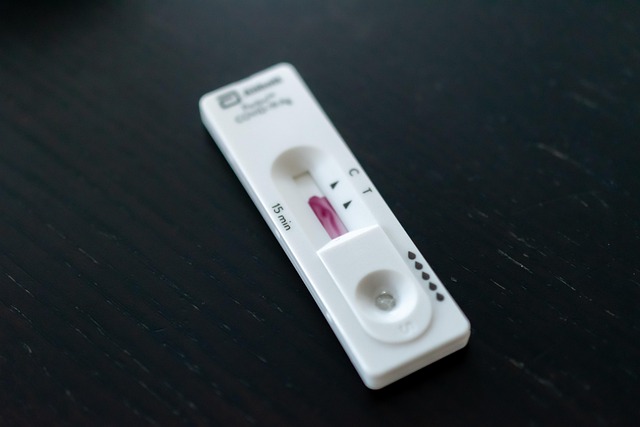
The Thyroid Stimulating Hormone (TSH) is a crucial indicator of thyroid function, playing a pivotal role in regulating metabolism. Understanding TSH levels is essential for comprehending overall health, especially as conditions like menopause, dairy intolerance, or diabetes can impact thyroid functionality. Online thyroid test results offer a convenient and accessible way to monitor TSH, empowering individuals to take charge of their health. For instance, in Bournemouth, where specialized healthcare services are available, patients can opt for simple blood tests to check for TSH levels alongside other relevant hormones.
TSH is secreted by the pituitary gland located at the base of the brain and acts as a signal to the thyroid gland, instructing it to produce and release two key hormones: thyroxine (T4) and triiodothyronine (T3). These hormones are vital for regulating body temperature, heart rate, energy levels, and protein synthesis. Imbalances in TSH can lead to various thyroid disorders, such as hypothyroidism or hyperthyroidism, which affect individuals of all ages, including those going through menopause in Manchester. Recognizing the significance of TSH, healthcare professionals often include it in comprehensive blood panels, along with tests for diabetes in Bournemouth, to assess overall hormonal health.
Interpretation of TSH levels requires a nuanced approach. Generally, normal TSH ranges are considered between 0.4 and 4.0 mU/L (microunits per liter). However, these reference ranges can vary slightly between labs and countries. For instance, a TSH level above 4.0 may indicate hypothyroidism, while consistently low levels below 0.4 could suggest hyperthyroidism. It's crucial to discuss these results with a healthcare provider who can offer personalized insights and recommendations based on individual health profiles. Regular monitoring, especially during transitional periods like menopause or after a dairy intolerance test in Manchester, can help maintain optimal thyroid function.
Normal TSH Range: What Online Thyroid Test Results Reveal

The Thyroid Stimulating Hormone (TSH) is a critical marker for evaluating thyroid function, playing a pivotal role in regulating metabolism and influencing various bodily systems, including the female hormone balance. When considering online thyroid test results, understanding the normal TSH range is paramount to interpreting your health status accurately. This range typically fluctuates slightly between laboratories but generally falls within the narrow spectrum of 0.4-4.0 mIU/L (microunits per liter). Online tests, such as those offered in locations like Manchester and Oxford, provide a convenient way for individuals to gain insights into their thyroid health without traditional clinical settings.
For women, especially as they navigate life stages with hormonal shifts, monitoring TSH levels can offer valuable information about overall endocrine wellness. A female hormone blood test, alongside an online thyroid test, reveals intricate connections between thyroid function and reproductive health. For instance, a TSH reading outside the normal range may indicate hypothyroidism or hyperthyroidism, both of which can impact menstrual cycles, fertility, and even hormone production related to stress. In some cases, food intolerance tests might also be beneficial in identifying dietary triggers affecting thyroid health.
Interpretation of online test results requires careful consideration. While a TSH level within the normal range is encouraging, it doesn't necessarily guarantee optimal thyroid function. Conversely, an abnormal reading shouldn't automatically trigger alarm; further evaluation by healthcare professionals is essential to pinpoint specific causes and determine appropriate treatments or lifestyle adjustments. Regular monitoring, especially for individuals with personal or familial histories of thyroid disorders, can help maintain thyroid balance and ensure the best possible health outcomes.
TSH Levels and Thyroid Function: The Connection

Thyroid-stimulating hormone (TSH) levels serve as a critical indicator of thyroid function, offering valuable insights into the intricate balance of hormonal activity within our bodies. TSH, produced by the pituitary gland, plays a pivotal role in regulating metabolism and energy production by targeting the thyroid gland. Online thyroid test results naturally reveal TSH levels as a key metric, providing individuals with a powerful tool to monitor their thyroid health.
A normal TSH level typically ranges between 0.4 and 4.0 mIU/L (milliliter per liter), indicating optimal thyroid function. Deviations from this range can signal underlying issues. For instance, elevated TSH levels (hypothyroidism) may suggest a sluggish thyroid, leading to fatigue, weight gain, and dry skin. Conversely, low TSH levels (hyperthyroidism) can result in accelerated metabolism, causing symptoms like rapid heartbeat, weight loss, and nervousness. In a female hormone blood test Portsmouth, for instance, abnormal TSH readings could point to thyroid disorders affecting reproductive health. Similarly, a kidney blood test Leicester or liver blood test Milton Keynes might uncover hidden connections between these organs and thyroid activity.
Understanding TSH levels is crucial as they directly influence the production of thyroid hormones, such as thyroxine (T4) and triiodothyronine (T3). These hormones, in turn, regulate metabolic processes across various systems, including the cardiovascular, nervous, and digestive systems. Maintaining optimal TSH levels through regular monitoring, especially for individuals with pre-existing health conditions or risk factors, is essential. Actionable advice includes consulting healthcare professionals who can interpret online thyroid test results accurately, making necessary adjustments to diet, lifestyle, and medication to support a healthy thyroid function.
Interpreting Low TSH: Hypothyroidism and Its Signs
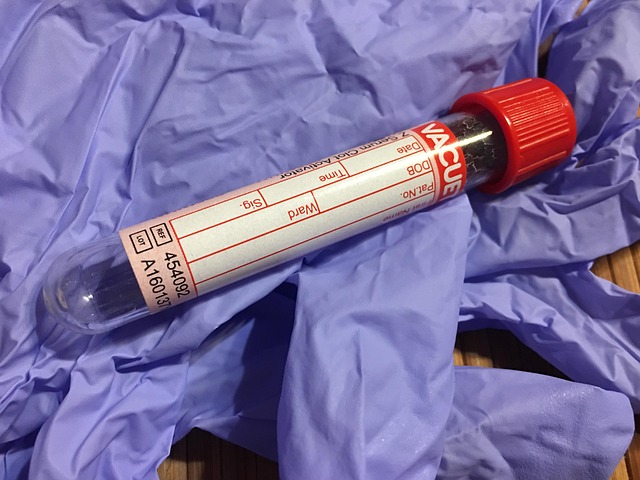
Thyroid-stimulating hormone (TSH) is a crucial indicator of thyroid function and plays a pivotal role in diagnosing hypothyroidism. When TSH levels are low, it suggests that the thyroid gland is overly active, leading to a condition known as hyperthyroidism or an overactive thyroid. This state contrasts with hypothyroidism, where TSH levels are high due to underactivity of the thyroid. Interpreting online thyroid test results accurately is essential for determining if you have hypothyroidism and guiding appropriate treatment.
Low TSH levels can be a sign of several conditions, most commonly hyperthyroidism. This can result from an autoimmune disorder known as Graves' disease, where the body produces antibodies that stimulate the thyroid to overactivity. Other causes include excessive iodine intake or certain medications. Symptoms of hyperthyroidism often include weight loss despite increased appetite, rapid heartbeat, anxiety, and tremors. Interestingly, a study conducted in Newcastle found that individuals with undiagnosed hyperthyroidism frequently presented with seemingly unrelated symptoms like digestive issues, which highlights the importance of considering thyroid health even if traditional diabetes blood tests or full blood counts do not immediately point to it.
While low TSH levels indicate an overactive thyroid, it's crucial to recognize that each person's response to thyroid conditions can vary. For example, a dairy intolerance test might not directly correlate with thyroid health but could impact overall hormonal balance. In Bournemouth, healthcare professionals often consider a holistic approach, combining various tests and patient history to arrive at accurate diagnoses. If you suspect any thyroid-related issues, consulting an expert endocrinologist or medical practitioner is advised. They can interpret your online thyroid test results, guide further investigations if needed, and provide personalized advice based on your unique health profile.
High TSH Indications: Hyperthyroidism Explained

A high TSH level, as indicated by online thyroid test results, is a key signal of hyperthyroidism, a condition where your thyroid gland produces too much thyroid hormone. This excess hormone can lead to a variety of symptoms, including rapid heartbeat, weight loss despite increased appetite, nervousness or anxiety, and insomnia. For women, particularly those considering hormone blood tests in Milton Keynes, this can be especially concerning as it can disrupt menstrual cycles and even contribute to bone density loss if left untreated.
In men, hyperthyroidism is often associated with conditions like Graves' disease, which can result in a testicular testosterone blood test in Oxford showing lowered levels due to the impact of excess thyroid hormone on reproductive function. Similarly, in individuals living in Manchester or elsewhere, a testosterone blood test might reveal reduced levels in men with untreated hyperthyroidism. This disruption in hormone balance highlights the importance of TSH level monitoring as an early indicator of thyroid dysfunction.
Actionable advice for those concerned about their TSH levels includes regular check-ups with healthcare professionals and, if necessary, pursuing further tests to confirm hyperthyroidism. Early intervention through treatment options such as medication or lifestyle adjustments can significantly mitigate symptoms and prevent long-term complications. For instance, a study found that prompt treatment of hyperthyroidism in women reduced the risk of osteoporosis and other bone-related issues by up to 50%. This underscores the importance of being proactive about online thyroid test results and seeking appropriate medical care when high TSH levels are detected.
Tracking TSH Changes: Monitoring Thyroid Health

Tracking TSH Changes: Monitoring Thyroid Health
The Thyroid Stimulating Hormone (TSH) plays a pivotal role in regulating your body's metabolic processes, signaling the thyroid gland to produce and release hormones. By monitoring TSH levels through online thyroid test results, individuals can gain valuable insights into their thyroid health—a crucial aspect of overall well-being. Changes in TSH levels can indicate various conditions, from hypothyroidism to hyperthyroidism, underscoring the importance of regular checks.
For instance, an elevated TSH might suggest hypothyroidism, a condition where the thyroid gland doesn't produce enough hormones. This is particularly relevant when considering that subtle symptoms like fatigue, weight gain, and dry skin can often go unnoticed but are indicative of underlying hormonal imbalances. Similarly, low TSH levels could point to hyperthyroidism, characterized by an overactive thyroid, leading to rapid heartbeat, nervousness, and weight loss—a situation that requires prompt attention.
In the context of specialized health assessments, individuals can avail of comprehensive tests like food intolerance assessments (e.g., dairy intolerance test Bristol) or cholesterol blood tests (e.g., cholesterol blood test Liverpool). These tests, integrated with TSH monitoring, provide a holistic view of one's health. For instance, a food intolerance test might reveal sensitivities that impact thyroid function, while a cholesterol blood test can indicate cardiovascular risks associated with hormonal imbalances.
Actionable advice for maintaining optimal thyroid health includes regular exercise, a balanced diet (considering potential food intolerances), and stress management. By combining these strategies with consistent TSH monitoring through online thyroid tests, individuals can proactively manage their thyroid health. Remember that early detection of TSH changes is key to preventing or addressing thyroid-related issues effectively.
The article has offered an authoritative guide to understanding TSH levels and their significance in thyroid health. Key insights include recognizing that TSH, the Thyroid Stimulating Hormone, plays a crucial role in regulating metabolism through its connection to the thyroid gland. By examining online thyroid test results, individuals can gain valuable insights into their thyroid function. The normal TSH range is typically between 0.4 and 4.0 mIU/L, but interpretations should consider individual factors. Low TSH levels may indicate hypothyroidism, characterized by signs like fatigue and weight gain, while high TSH indicates hyperthyroidism, often accompanied by symptoms of restlessness and weight loss. Monitoring TSH changes over time is essential for tracking thyroid health, making it a vital tool for both preventive care and managing thyroid-related conditions. This comprehensive overview empowers readers to take proactive steps in understanding and maintaining their thyroid health through informed interpretation of online thyroid test results.